College & First Apartment Furniture Checklist: Smart Buys Under $500
Moving into a college apartment, first apartment, or your first place of your own is exciting—but furnishing a new space can get expensive quickly. The good news? You don't need to buy everything at once or spend thousands of dollars to create a comfortable, functional home.
With the right furniture and a little planning, you can make the most of a small space while staying within your budget. Here's our college and first apartment furniture checklist to help you prioritize what you need, find smart space-saving solutions, and furnish your new place without sacrificing comfort or style.

Start With The Essentials
Before you start shopping, make a list of the spaces you need to furnish and prioritize the pieces you actually need. For most college apartments and first apartments, that list includes:
- Sofa or loveseat
- Coffee table or storage table
- TV stand
- Dining table and chairs
- Bed and mattress
- Nightstand
- Dresser or accent chest
- Desk or workspace
- Desk chair
You don't have to purchase everything on day one. Start with the essentials that make your apartment functional, then add furniture and accessories as your budget allows.
Pro Tip:
Measure your space before you shop. Don't forget doorways, hallways, stairways, elevators, and the available floor space in each room. A piece of furniture may fit against a wall but still make the room feel cramped if there's not enough space to walk around it.
Step One: Furnish the Living Room
The living room is often the most-used space in a first apartment, so it's a good place to focus your furniture budget.
Choose the Right Sofa
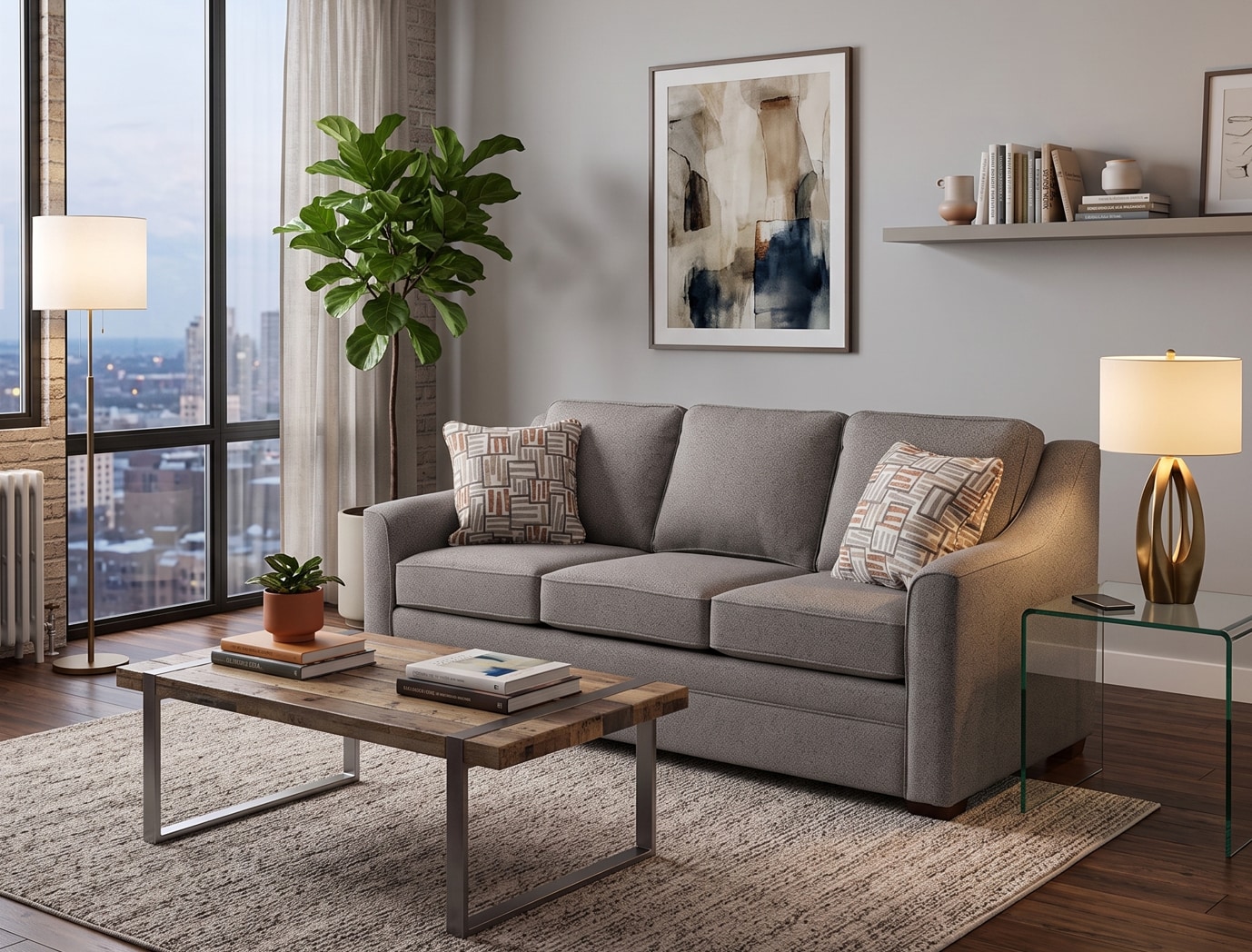
A sofa is typically one of the biggest furniture purchases you'll make, but you don't need a large sectional to create a comfortable living space.
When shopping for furniture for small apartments, look for:
- Apartment-size sofas
- Loveseats
- Sofas with slimmer arms
- Raised-leg designs that create a lighter visual footprint
- Multi-functional seating
If you regularly have friends or family staying over, consider a sleeper sofa. It provides everyday seating while giving guests a comfortable place to sleep without requiring a separate guest room.
Add a Functional Coffee Table
A coffee table can do more than hold your drink and remote. In a smaller apartment, look for a table that provides additional functionality, such as drawers, shelving, a lift-top surface, or hidden storage. A storage table can help keep blankets, games, electronics, and other everyday items organized without taking up additional floor space.
Pro Tip:
Choose furniture that serves more than one purpose whenever possible. A storage coffee table, sleeper sofa, or storage ottoman can help you get more function from every square foot.
Don't Forget the TV Stand
A TV stand gives your television a dedicated home while providing valuable storage for gaming systems, media devices, and accessories. For smaller spaces, look for a TV stand with:
- Open shelving
- Cabinets
- Cord-management features
- A compact footprint
Choose a TV stand that's appropriately sized for both your television and your room. Bigger isn't always better when you're furnishing an apartment.
Step Two: Make the Most Of Your Bedroom
Your bedroom should be comfortable, but it also needs to work hard if you're dealing with limited closet space.
Start With Your Mattress
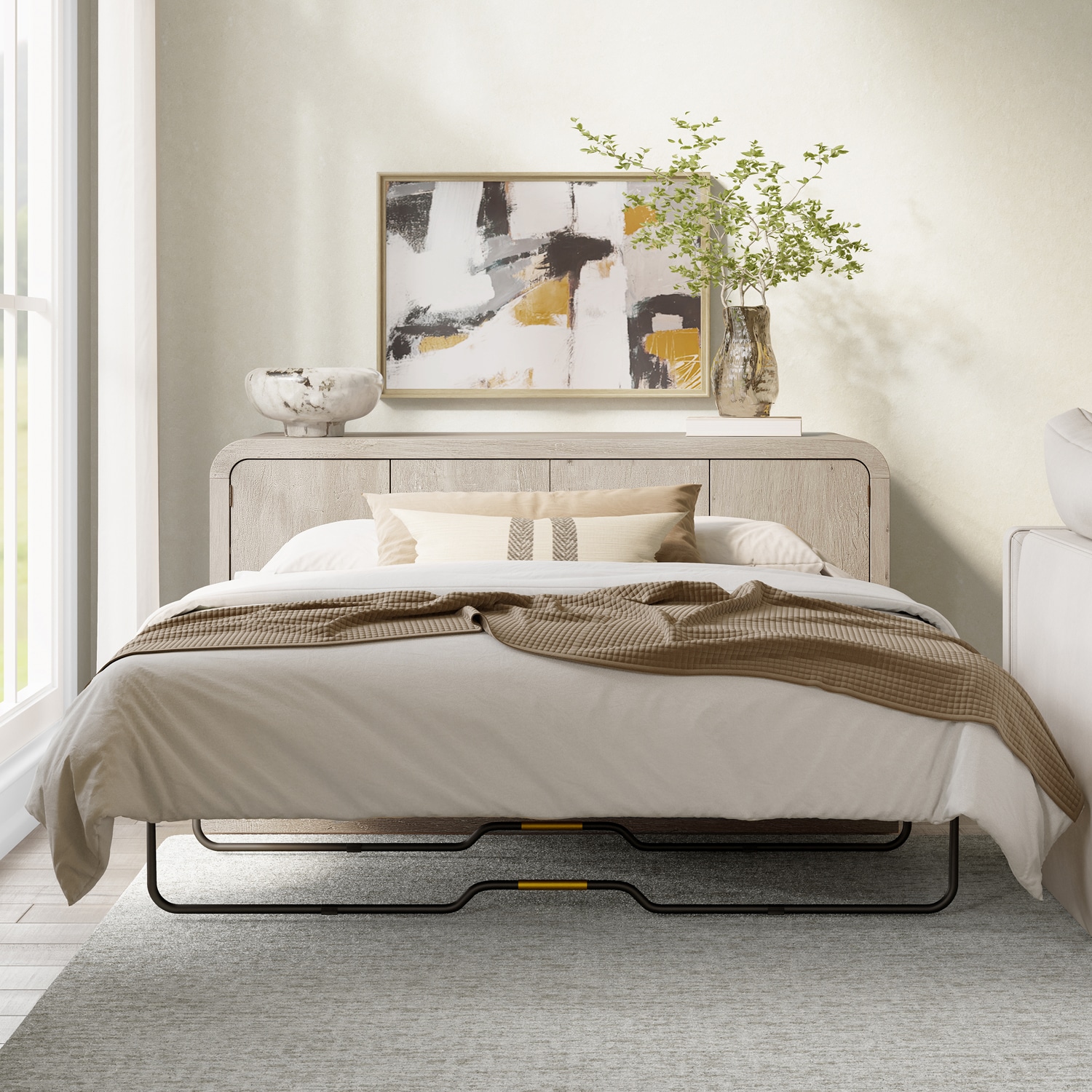
Your mattress is one place where it makes sense to prioritize comfort and quality. You'll use it every night, so choosing the right mattress is an important part of furnishing your first apartment. Consider your sleeping preferences and available bedroom space before choosing a mattress size. If you're furnishing a particularly small bedroom, a full-size mattress may provide more usable floor space than a queen while still providing plenty of room for one person.
Add a Compact Nightstand
A nightstand doesn't have to be large to be useful. A compact nightstand with a drawer or shelf can give you space for:
- Your phone and charger
- A lamp
- Books
- A glass of water
- Personal items
If your bedroom is especially tight, look for a narrow nightstand that provides storage without crowding the bed.
Maximize Clothing Storage
Not every apartment has generous closet space. A dresser can help keep clothing organized while giving you another surface for everyday items. If you're working with limited square footage, consider vertical storage rather than wide, bulky furniture.
Pro Tip:
A tall dresser can provide substantial storage while taking up less floor space than a wider dresser. Think vertically when you're furnishing a small bedroom.
Step Three: Create a Dining Space
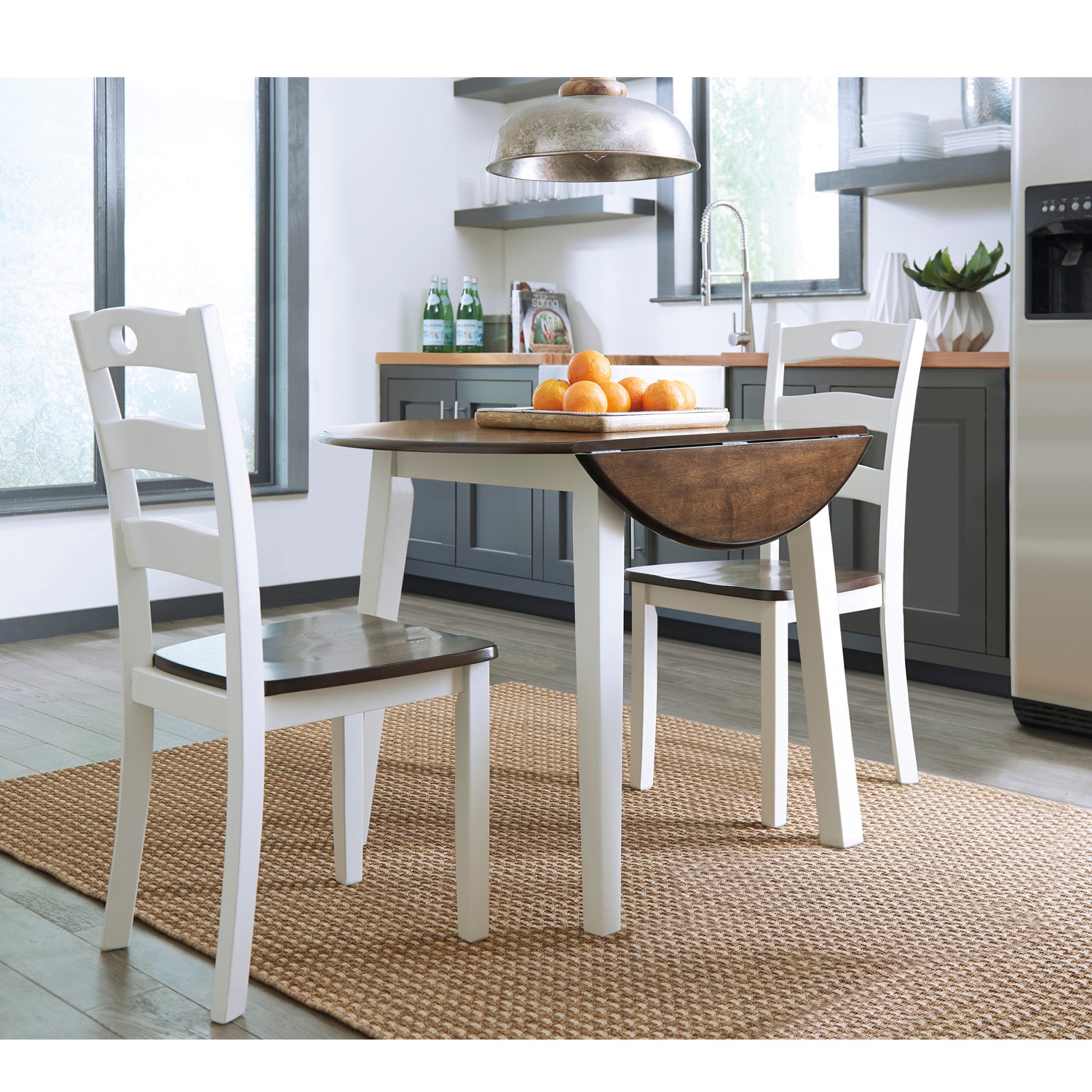
You don't need a formal dining room to have a comfortable place to eat. For a college apartment or first apartment, consider choosing a small dining table. These are good choices to consider:
- Small dining tables
- Counter-height tables
- Drop-leaf tables
- Round tables
- Dining sets designed for two to four people
A smaller dining table can also double as a homework station, work-from-home desk, or game table.
Choose Comfortable Dining Chairs
If your budget is tight, prioritize comfort and durability over elaborate styling. Buying a table and chairs as a set can also simplify the shopping process and help ensure everything works together visually.
Pro Tip:
Round dining tables can make it easier to move around a compact dining area because they eliminate sharp corners.
Step Four: Create A Functional Workspace
Whether you're heading to college or starting your first career, having a dedicated workspace can make your apartment more functional.
Choose A Compact Desk
A desk doesn't need to dominate the room. Look for a compact desk that can accommodate your laptop, monitor, school supplies, and other essentials. If you're short on space, consider placing a small desk against an unused wall or in a bedroom corner.
Don't Forget A Comfortable Chair
A comfortable desk chair is worth considering if you'll spend several hours studying or working. Look for a chair that fits comfortably underneath your desk when you're not using it. This can help preserve valuable floor space in a small apartment.

Step Five: Maximize Storage In A Small Apartment
Storage is one of the biggest challenges when furnishing a small apartment. Instead of simply adding more furniture, look for pieces that serve multiple purposes.
Look For Furniture With Built-In Storage
Storage is one of the biggest challenges when furnishing a small apartment. Some of the smartest furniture purchases for small spaces combine two functions in one piece. Consider:
- Storage ottomans
- Coffee tables with drawers
- TV stands with cabinets
- Beds with built-in storage
- Benches with hidden compartments
- Bookcases
- Entryway cabinets
The goal is to maximize the amount of storage you get without maximizing the amount of floor space you use.
Think Vertically
When floor space is limited, look up. Tall bookcases, shelving units, and dressers can provide more storage without taking up as much floor space as wider furniture. This is especially helpful in apartments with small bedrooms, limited closets, or compact living rooms.
Build A Budget Furniture Checklist
When you're furnishing your first apartment, you probably have a budget—and that's a good thing. Instead of trying to buy everything at once, prioritize your spending based on how you'll use your space.
Furnish Your First Place Without Breaking The Budget
Your first apartment doesn't have to look like a fully furnished home on day one. Start with the essentials, choose pieces that work in your available space, and look for furniture that serves more than one purpose. The best budget furniture checklist is one that helps you balance comfort, function, style, and price. Whether you're furnishing a college apartment, your first rental, or your first home, shopping with a plan can help you make smarter purchases and avoid buying furniture that doesn't fit your space—or your budget.